
Trusted by

&

startup community, AGOV Agency is
Strategic Design Partner for your product to convert, delight & retain, turning your users into fans
to launch
MVPs
, redefine
existing products
& continuously dive into
customer development

UX strategy & design driving business objectives
You launched, paving the path to insights that matter. Now it’s time to build on them mature UX, bolder identity, a product that’s ready to go full speed with a strategic calm.
You know the Why & For Whom – we help define the What & How. From Day 0, we shape what early birds root for & VCs bet on – so you can focus on growth, not pixels.
Learn more about us based on
Business & Design
Challenges we solve
Challenges we solve
Design philosophy
& values we trust
& values we trust




































































%20(1).png)

challenges we handle
Gaps, chaos, disconnects, dead ends – 10 challenges we see the most fail.
10 challenges we solve.
challenge
1
Soulless brand and “dead” UI: no emotion — no loyalty — no growth
Typical reasons:
Brand identity and UX exist separately, so users notice inconsistency, question professionalism, and turn away from the brand.
Outdated visual design that doesn’t reflect current trends or user expectations fails to attract attention or create emotional bond.
No unified brand guide or checks for brand consistency — marketing and UI “live” separately, and ad hoc chaotic ideas weaken brand recognition.
challenge
2
UX and business goals don’t speak the same language — and the market turns away
Typical reasons:
No shared design strategy around visual and business goals fragments the team, creates conflicting product visions & stakeholder misalignment;
UX and product decisions don’t reflect business goals, leading to bad investments and lost market potential;
Lack of team alignment formats (like workshops or facilitation) keeps design disconnected from decisions that shape how the product is perceived;
challenge
3
Fatal uncertainty: unclear MVP or missing roadmap creates strategic chaos
Typical reasons:
Unclear boundaries between must-have and nice-to-have features leads to over-engineering and dilutes the product’s value;
Lack of flexible design iterations makes it hard to adapt the MVP to shifting business needs, leaving the product behind;
Decisions without testing hypotheses with real users lead to flawed product logic and higher risk of churn and frustration;
challenge
4
Blind decision-making ignores real users needs & analytics behind those
Typical reasons:
No systematic UX testing during feature development leads to uncontrolled scope creep that misses actual user needs;
Undefined UX metrics block objective evaluation of decisions, leading to repeated mistakes and lost confidence in strategy;
Relying on assumptions instead of user insights & usability testings turns decision-making into guesswork based on intuition & ego;
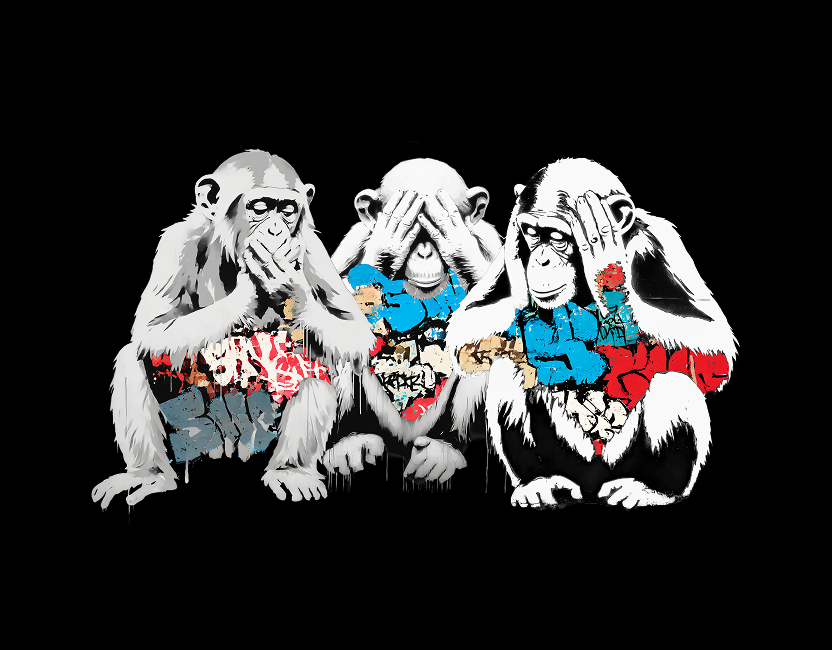
challenge
5
Lazy UX process and ignored input: shallow decisions and lack of deep insights
Typical reasons:
Skipping regular usability testing starts a cycle of intuitive mistakes that get normalized, reinforcing product uncertainty;
No consistent analysis of market trends and strategies prevents the team from spotting opportunities or adapting in time;
Lack of clear, measurable UX metrics makes it impossible to evaluate change impact, leading to repeated bad calls and waste resources;
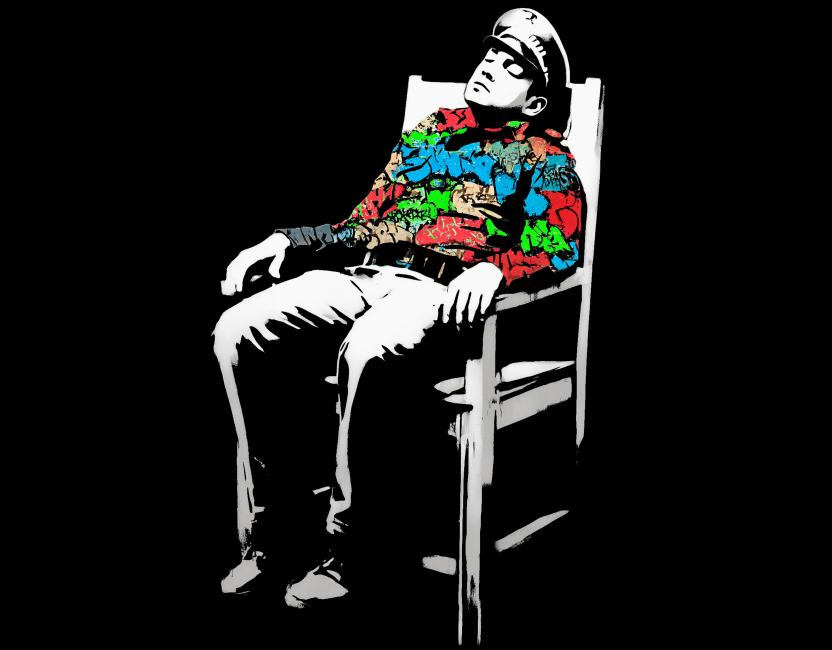
challenge
6
Architectural breakdown: the product isn’t ready to grow or scale
Typical reasons:
Overloaded or flawed information architecture doesn’t anticipate future growth scenarios, forcing teams to constantly patch instead of evolving strategically;
Too many features without architectural control make the product rigid and unable to adapt to new business needs;
Skipping UX research during functionality expansion breaks user journey & fragments whole experience;
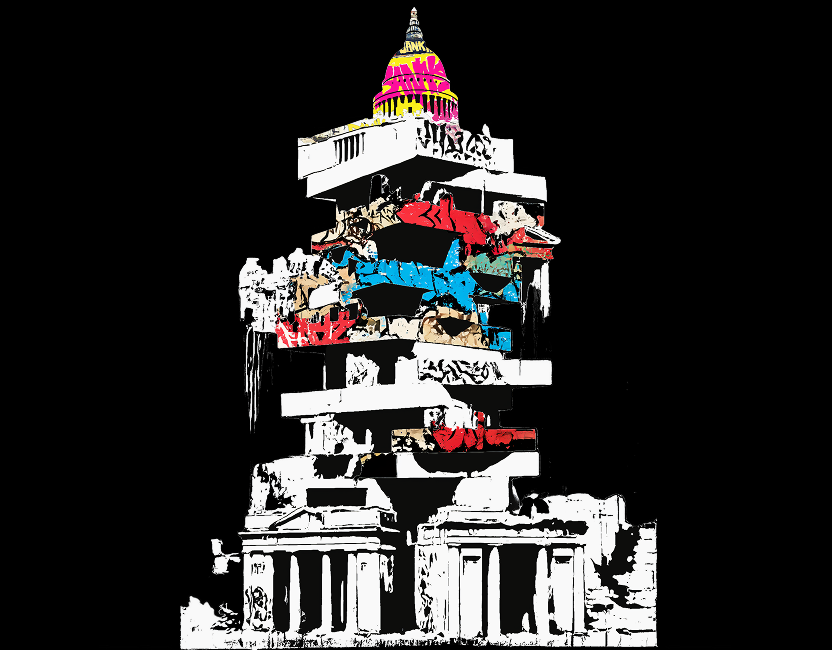
challenge
7
The onboarding gap: chaotic first steps cause high churn and kill retention potential
Typical reasons:
Without a clear UX onboarding flow after a redesign, users get confused, can’t follow the changes, and abandon the product quickly.
The first interaction doesn’t build trust or confidence, so users leave before experiencing the “aha moment.”
Without tracking early drop-off points, the team stays blind to churn triggers and can’t adjust the onboarding UX.
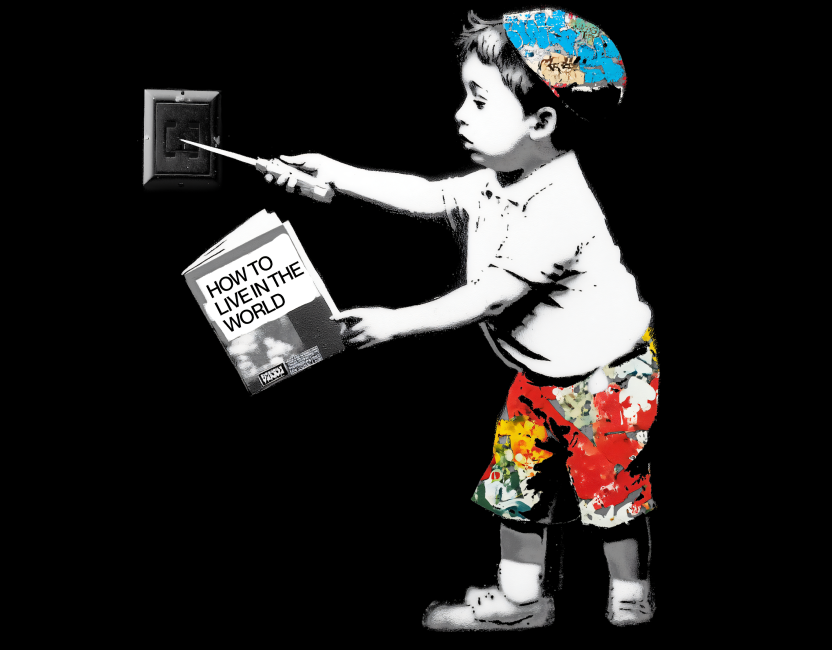
challenge
8
Broken design delivery discipline: poor designer-devs collaboration leads to waste and system breakdowns
Typical reasons:
Gaps between design documentation and front-end logic create development chaos, delay releases, and generate technical debt;
Missing edge and corner case coverage in cross-functional scenarios forces devs to improvise, hurting consistency and productivity;
Ignoring accessibility standards prevents inclusive usage, reduces product reach, and increases repetitional risk;
challenge
9
A business model disconnected from reality undermines product & marketing efforts
Typical reasons:
Skipping customer journey & UX mapping during BM validation leads to ignoring real user behavior and shaping the wrong value proposition;
No UX methods for studying user behavior and testing monetization hypotheses to help to build commercially viable solutions;
Without systematic UX research into pain points, each new release moves the product further away from what paying users actually want;
challenge
10
AI for AI’s sake: poorly planned integration erodes trust and complicates the experience
Typical reasons:
AI features are implemented as generic add-ons without alignment to product goals, making them feel superficial and untrustworthy;
AI is added without considering the customer journey, so it doesn’t solve actual problems and adds friction to core flows;
Without a UX strategy for identifying pain points or drop-offs, AI is introduced where it’s not needed with no real value;
capabilities
We deliver UI & UX, but the expertise extends far beyond
Product design is our main focus. The activities and approaches may differ depending on the particular product needs.
.png)
Product design
0

1
Existing design revamp
Ongoing product design
Design system setup
Website design & dev
Rapid prototyping
Brand Identity
Pitch Decks
AI incorporation UX strategy
Let's discuss your business goals
Our Approach
We offer the diversity of skills
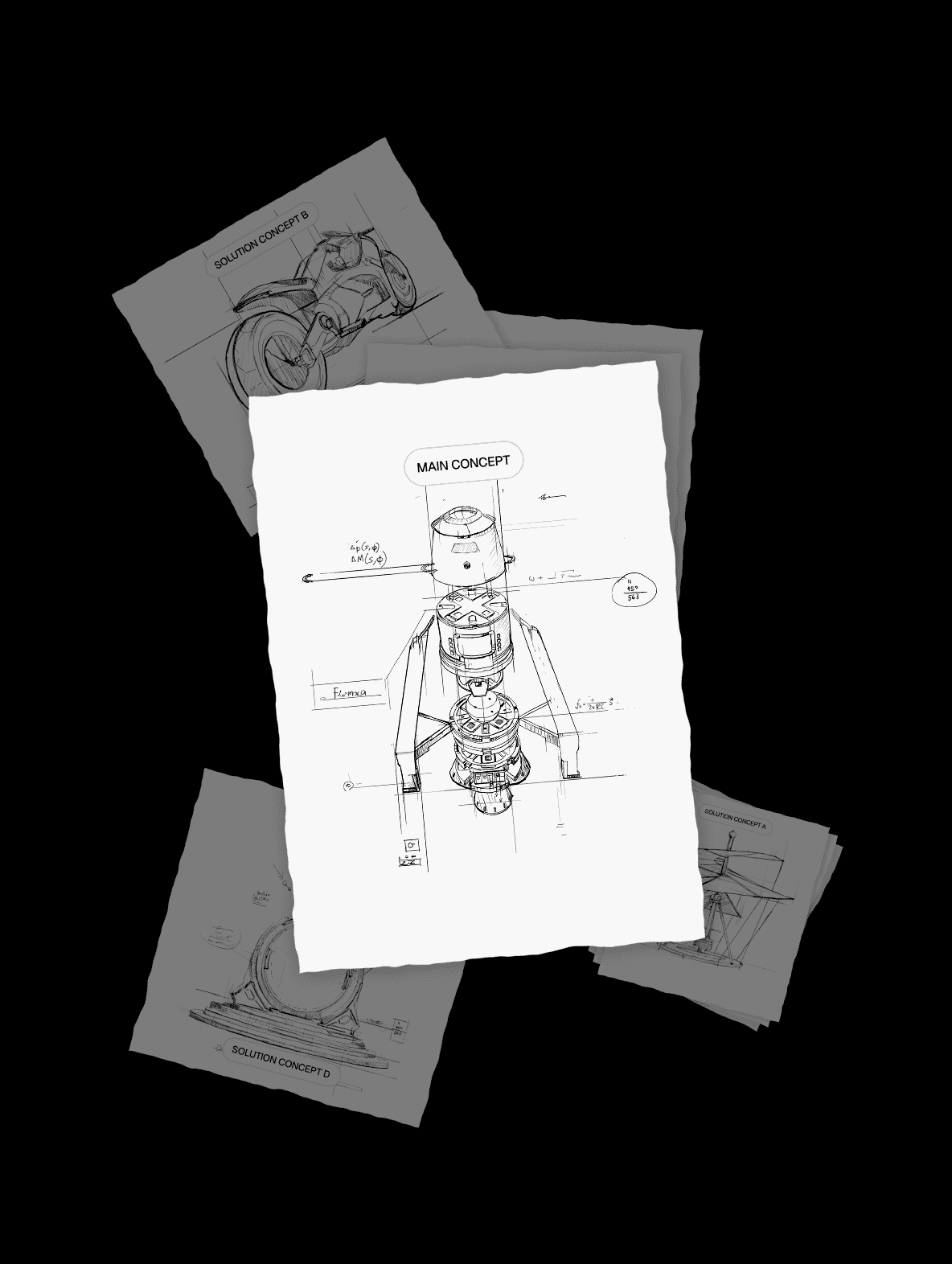
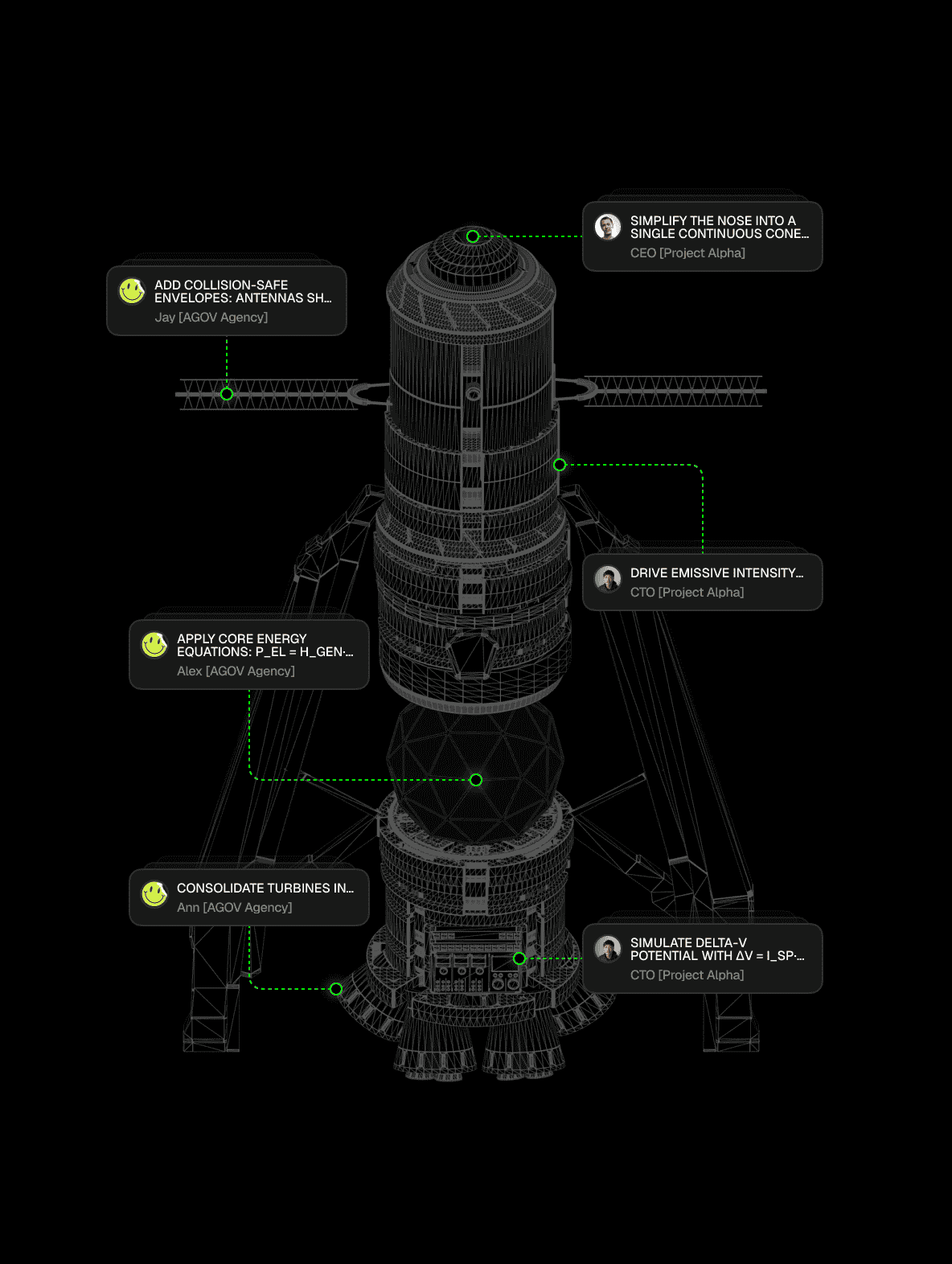
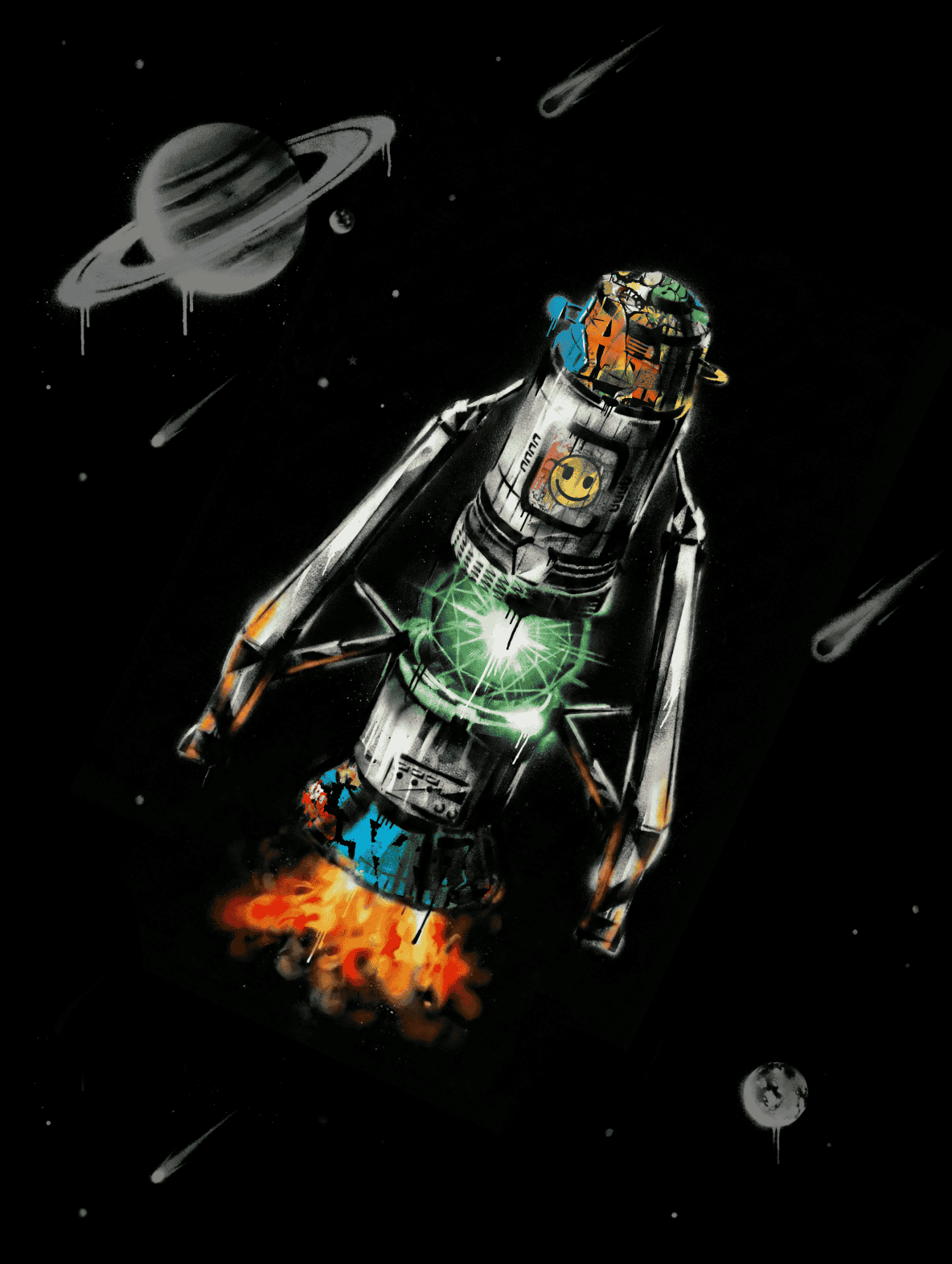
phase
1
Co-founders mentality
You don’t need more hands. You need people who think like insiders, care like founders, and stay when it gets hard — to understand how you work, what matters most, why & where you’re really going.
We don’t join projects — we join odysseys. And when we say “we”, we mean it — one team, one product, one bet.
We don’t join projects — we join odysseys. And when we say “we”, we mean it — one team, one product, one bet.
key ideas
01.1.
Immersive by default: integrate like a core team, with shared discipline, values, and care
01.2.
Built on loyalty: share the highs, face the lows, and believe in each other all the way through
01.3.
Beyond the scope: step in wherever it helps, because ownership doesn’t end with the brief
phase
2
Pragmatic UX process
We don’t worship the process — we shape it to fit the mission. Every step has a job – to bring clarity, momentum or trust.
If not — it’s a noise. So less theatre, more progress.
If not — it’s a noise. So less theatre, more progress.
key ideas
02.1.
No show offs: every UX artefact earns its place by what it enables — not how smartass it looks
02.2.
Anti-ritual mindset: no “because everyone does it” — only “because this serve this mission”
02.3.
No budget bloats: we won’t stretch work to fill
hours — only to reach clarity faster
phase
3
Product with a soul
Emotion builds trust. Personality builds bond.
We shape not just how your product works, we design that spark – how it feels, speaks, moves and earns belief.
Like a person you’d want to spend time with again – early adopters stay because it feels right to root for.
We shape not just how your product works, we design that spark – how it feels, speaks, moves and earns belief.
Like a person you’d want to spend time with again – early adopters stay because it feels right to root for.
key ideas
03.1.
Soul as strategic asset: personality cuts through market noise and helps your product get remembered — and chosen
03.2.
Benefit of the doubt: early users stay when they feel there’s vision, care, and something worth waiting & believing in
03.3.
Fencing off from Agents Smith: in the red sea of lookalikes —emotions become the edge advantage
phase
4
Delivery discipline
We don’t ship pretty files — we ship working tools. Treat Figma like code – from naming frames & layers to dev annotations & functional prototypes, every detail is built for clarity, structure, and real use.
Because quality isn’t what you see — design is a team sport, and we play to make others better.
Because quality isn’t what you see — design is a team sport, and we play to make others better.
key ideas
04.1.
A tool for the team: we structure files to be read, built on, and trusted — not admired as art
04.2.
Build to last under pressure: clean files today save us from expensive problems tomorrow
04.3.
No sitting on design needle: we hand off structured systems you can grow & control, not depend on us
phase
5
Journey support
What feels like a final chapter is just the first real step.
We stay close — through launch, refinement, and growth — to help product become what it’s meant to be.
We stay because we care — not because we’re obliged to.
We stay close — through launch, refinement, and growth — to help product become what it’s meant to be.
We stay because we care — not because we’re obliged to.
key ideas
05.1.
Feedback & refinement: we turn real signals into meaningful updates, fine-tuning details & improving what matters most
05.2.
Innovation & scaling: we co-create what’s next, shaping ideas that fuel growth to give your product an edge
.png)
.png)
Team
Make some noise for our talented squad!
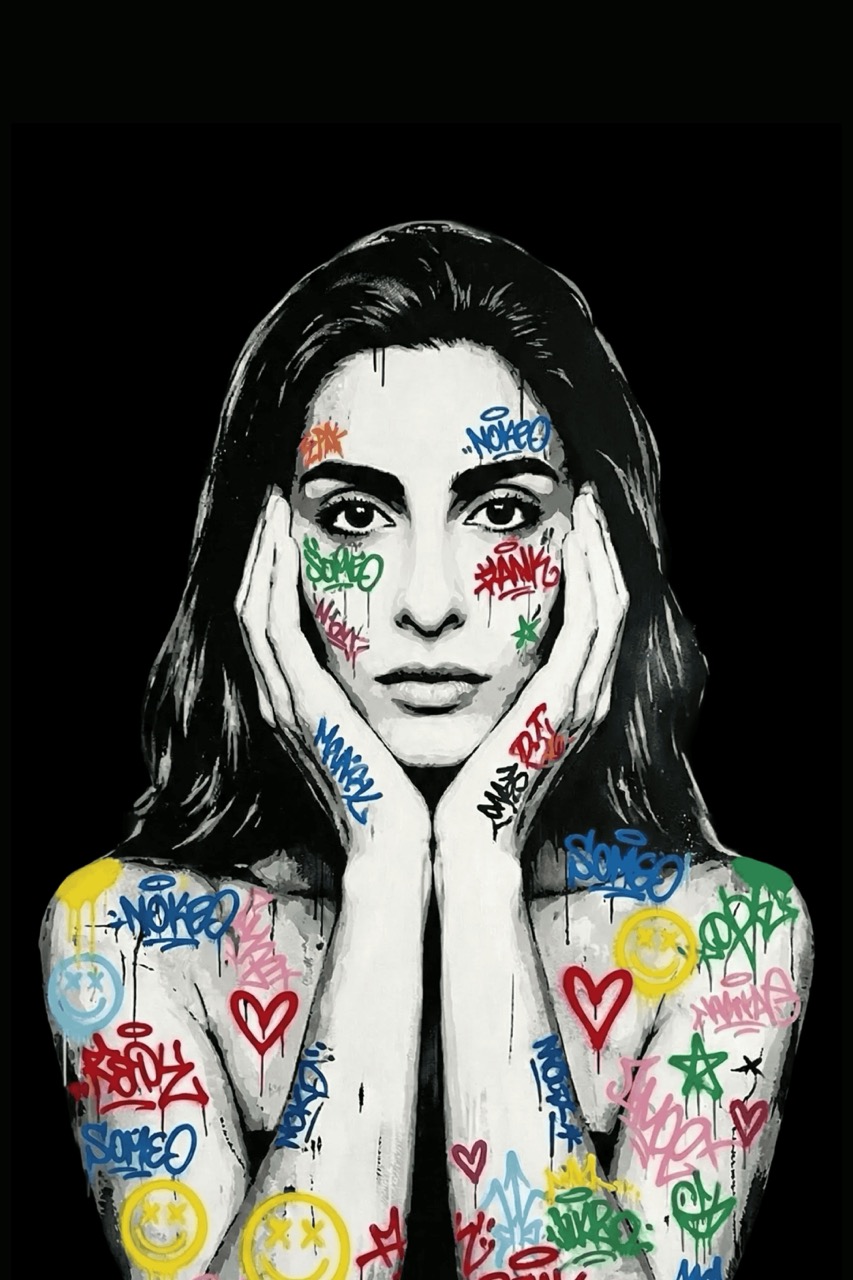
Anna Dzhurlyak
UX designer, tall and tan and young and lovely
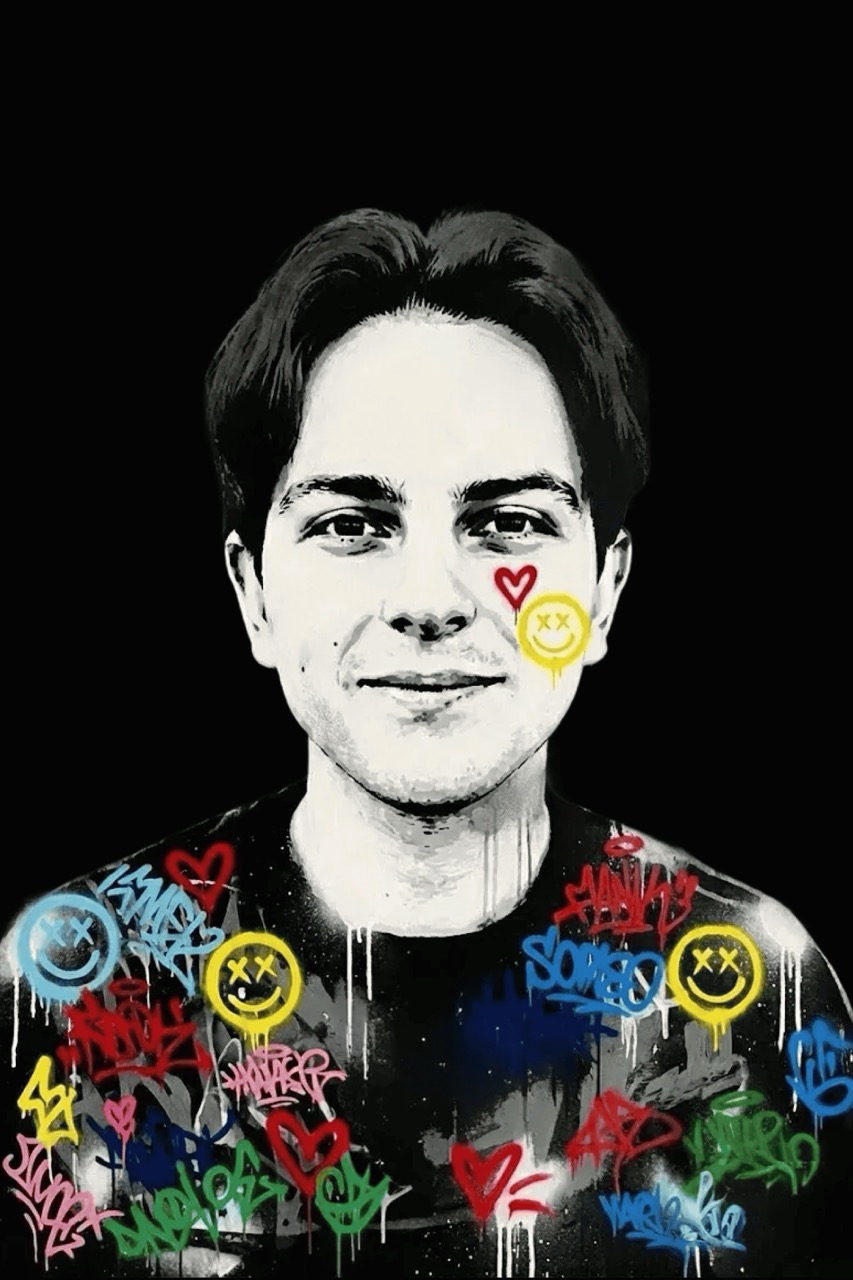
Max Bazarnyk
UX Designer, walking his ninja way, through shurikens and cats

Dzvenyslava Yasnyska
UX designer, tell your dad I said hi
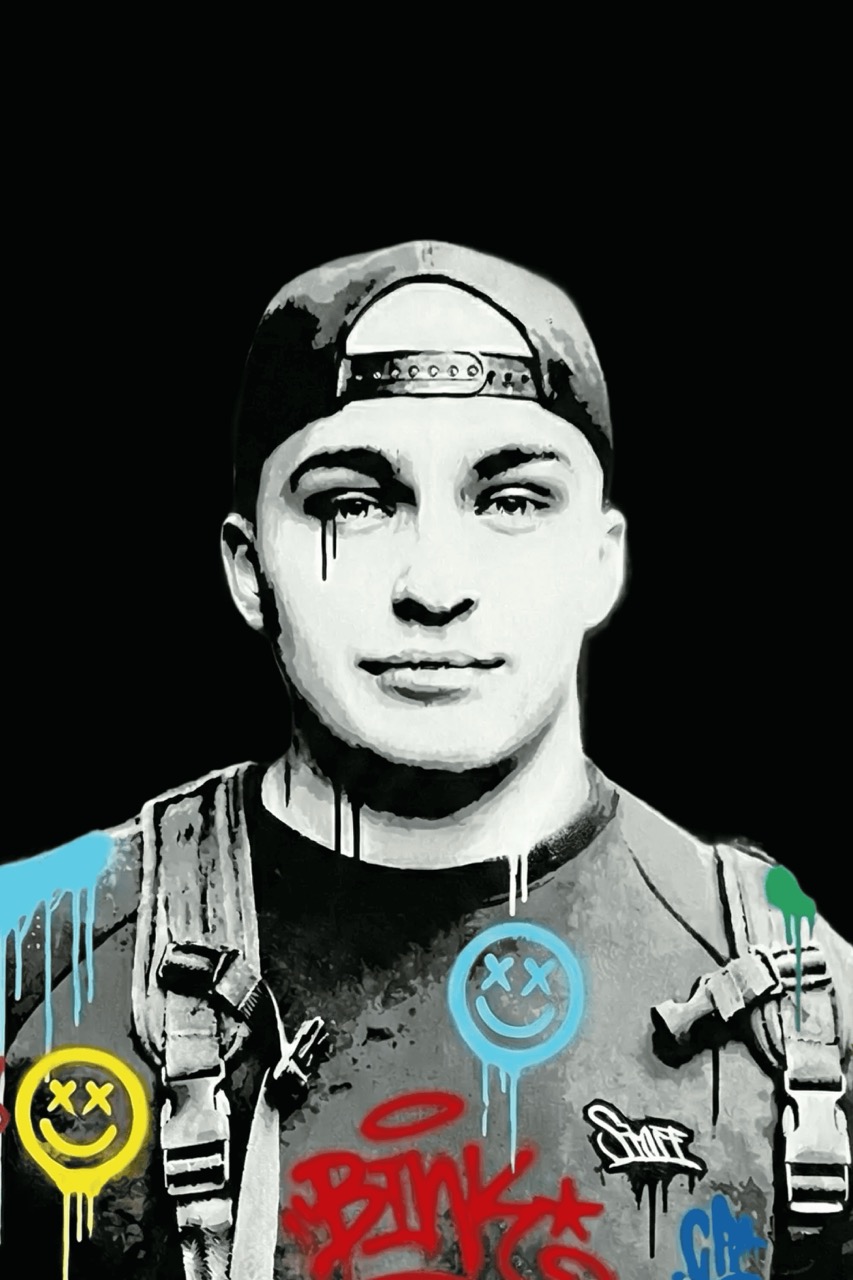
Danilo Ivanochok
UX designer, designing my way out of Monday blues

Yulia Havryliuk
Ops Manager, starring in memories you can’t quite place
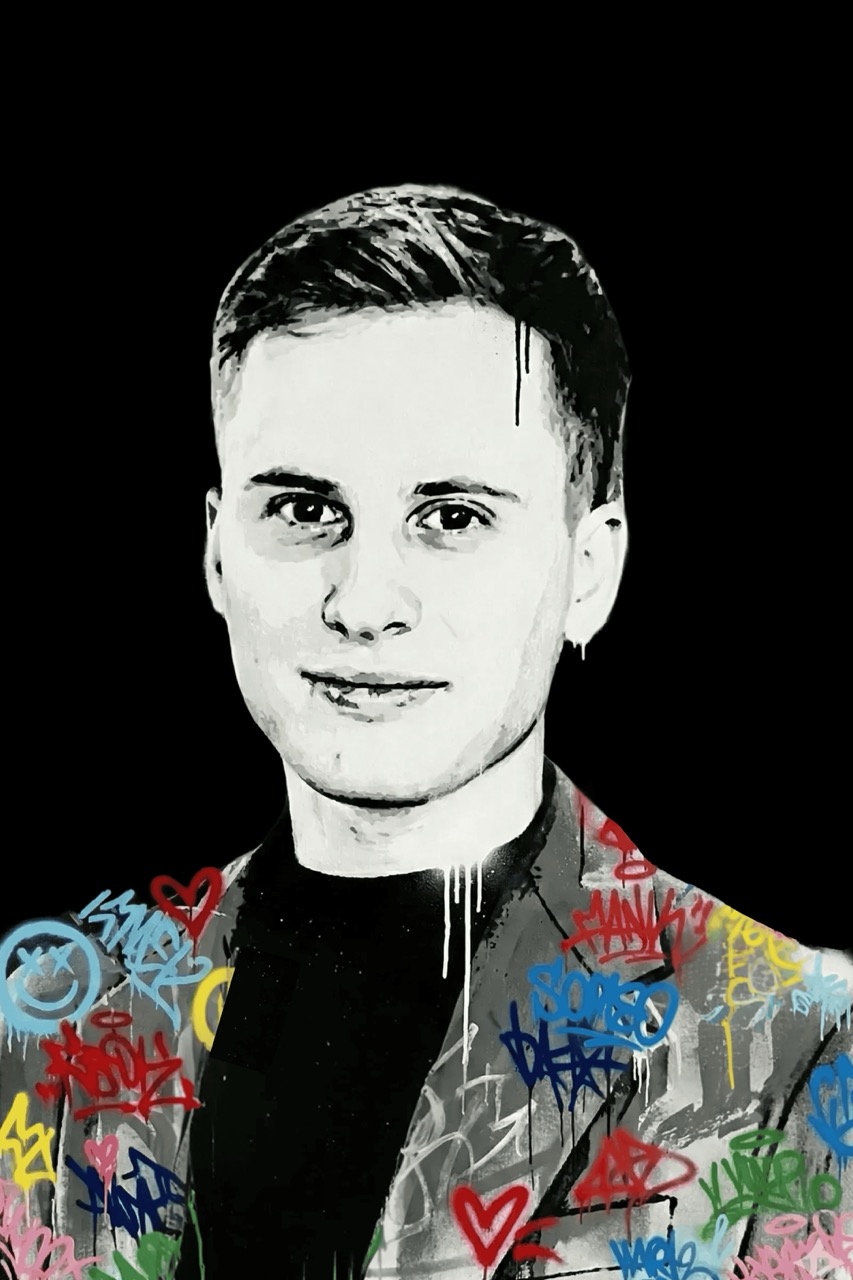
Kostiantyn Fuchs
UX Designer, calm on the surface, pixel-perfect inside

Viktoriia Tsyhanok
UX designer, still thinking what to write here
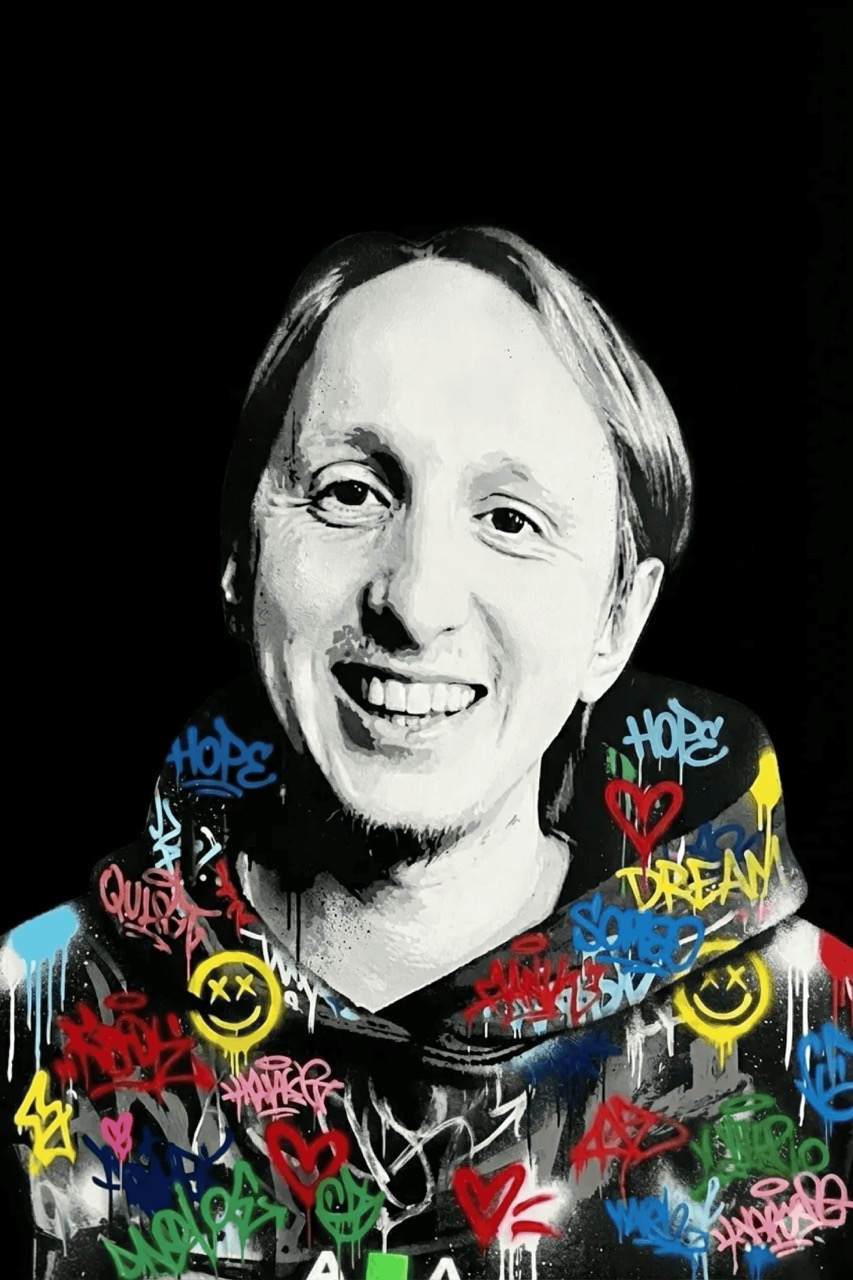
Oleksii Kovalskyi
UX designer, spending my life overthinking past decisions
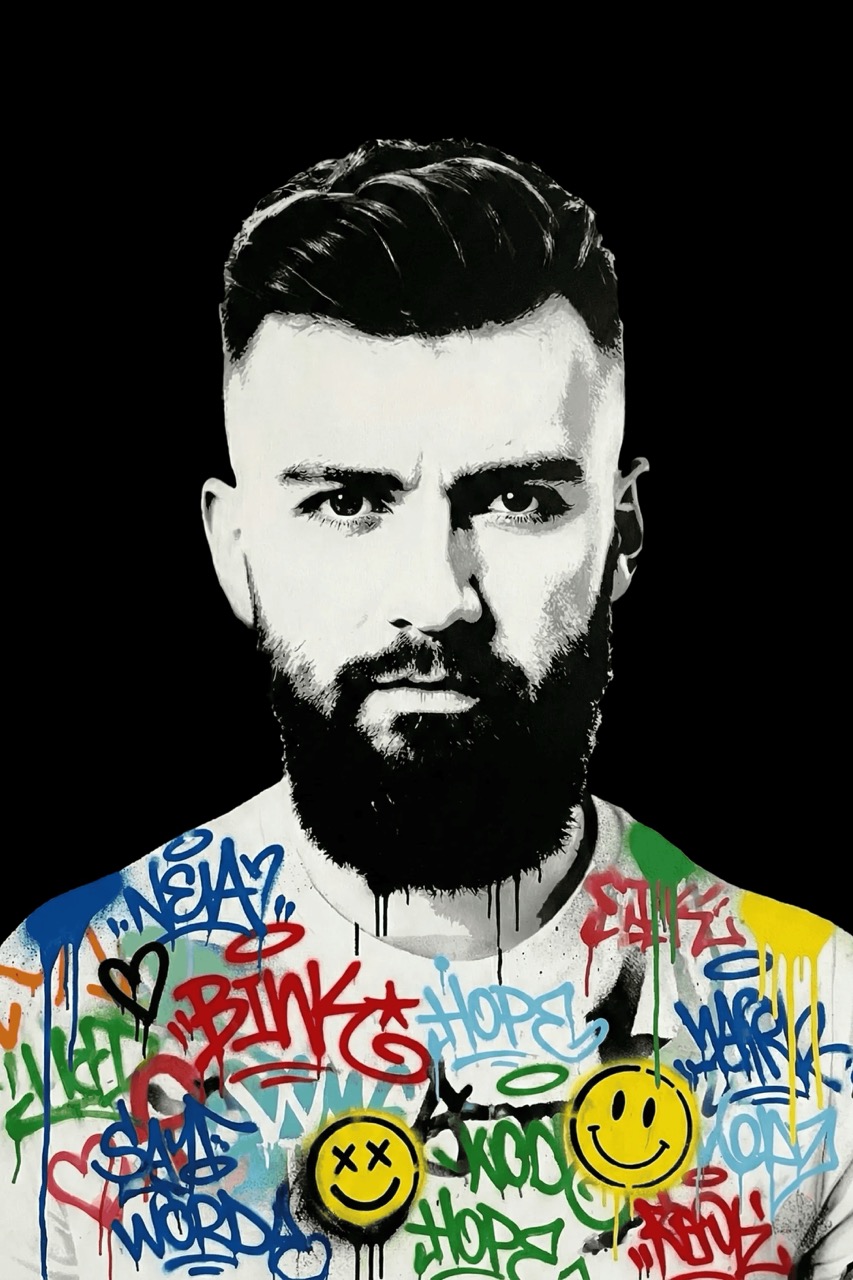
Jay Garda
Design Manager, hiding my depression with TikTok & Chess

.png)
Testimonial
They’re not afraid to ask hard questions or propose bold alternatives, but always with the goal of making the product better, not their portfolio shinier.

Sid Jain
CPO at Project Zero
Number
$9m
Helped raise investments
Number
∞ (Endless)
Passion, sweat & tears put into each project
Number
25 million
Monthly E-commerce visits.
Testimonial
They really don't trade off speed for quality, because they usually do both really well. They really don't trade off speed for quality, because they usually do both really well

John Doe
CEO at Blend
Testimonial
Their ability to “feel” the brand & product, turning that into a scalable design culture, was a real game-changer for us.

Joshua Dorsey
CEO at Hivelighter
Testimonial
It’s rare to find a team that’s this thoughtful, this professional, and still a pleasure to work with. AGOV set the bar high: they’ve been one of the best partners we’ve ever worked with.

Kate Kovbii
CMO at OpsWorks
Testimonial
They really don't trade off speed for quality, because they usually do both really well. They really don't trade off speed for quality, because they usually do both really well
John Doe
CEO at Blend

Number
520k
Hands on our solutions








.png)